
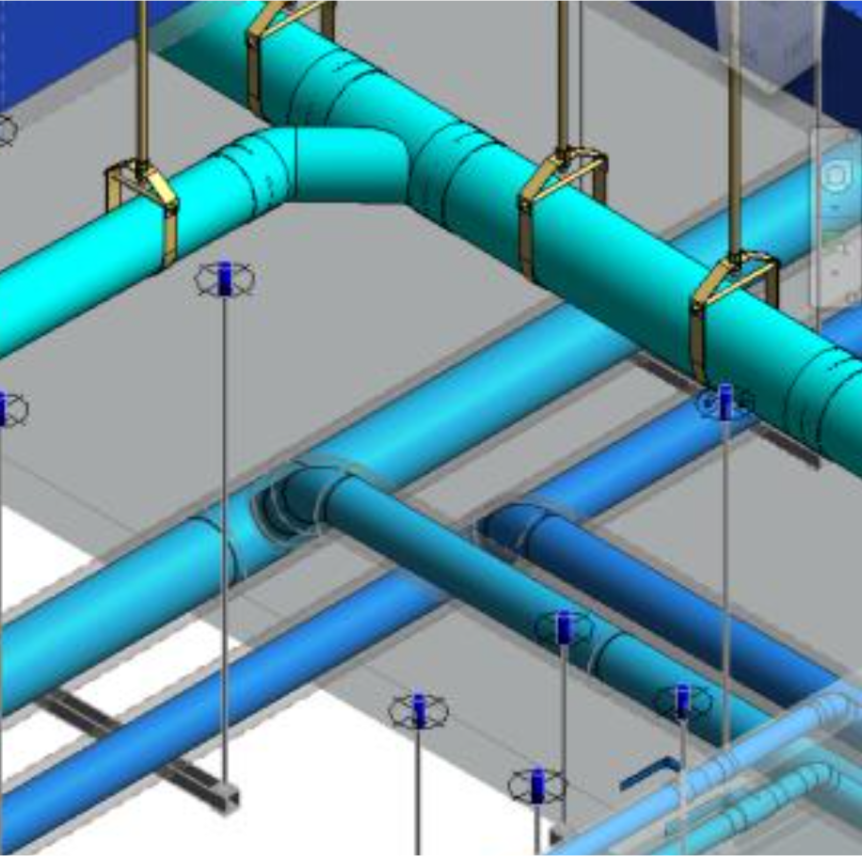
Building Information Modeling (BIM) has revolutionized the architecture, engineering, and construction (AEC) industries worldwide. In Washington DC, a city known for its complex infrastructure, historic preservation, and rapid urban development, BIM modeling and coordination have become indispensable tools for project success. This article explores the significance of BIM in Washington DC, highlights key benefits, and examines how local firms and government agencies leverage BIM to enhance collaboration, efficiency, and sustainability.
Wait, are you interested in talking to a human instead of reading this full blog? Contact us to learn more about our services and whether BIMTM is the 100% U.S. based team you need on your next project.

The Growing Importance of BIM in Washington DC’s Construction Landscape
Washington DC’s construction sector is characterized by a mix of historic renovations, government buildings, commercial developments, and large-scale infrastructure projects. Managing these diverse projects requires precision, coordination, and compliance with stringent regulations. BIM modeling offers a digital platform that integrates architectural designs, structural engineering, and MEP (mechanical, electrical, and plumbing) systems into a unified 3D model.
According to a 2023 report by the Associated General Contractors of America, over 70% of construction firms in the DC metropolitan area have adopted BIM technology in some capacity. This adoption is driven by the need to reduce costly errors, improve scheduling accuracy, and enhance communication among stakeholders. The District government itself mandates BIM use for many public projects, reflecting its commitment to modernizing construction practices.
Historic Preservation and BIM
Washington DC’s rich architectural heritage presents unique challenges for construction professionals. Many projects involve retrofitting or restoring historic buildings while maintaining their original integrity. BIM modeling allows teams to create detailed digital replicas of existing structures, enabling precise planning for preservation efforts. For example, the renovation of the Old Post Office Pavilion utilized BIM to map out structural reinforcements without compromising the building’s historic façade.
Moreover, the integration of BIM in historic preservation projects is not merely about maintaining aesthetics; it also involves ensuring that modern safety and accessibility standards are met. By using BIM, architects and engineers can simulate various scenarios, such as the installation of fire safety systems or ADA-compliant entrances, all while respecting the building’s historical significance. This technology facilitates collaboration among preservationists, architects, and engineers, allowing for a more cohesive approach to maintaining the character of the city while adapting to contemporary needs.
In addition to its applications in preservation, BIM is also proving invaluable in the realm of urban planning within Washington DC. The ability to visualize and analyze the impact of new developments on existing neighborhoods is crucial in a city where space is at a premium. Planners can leverage BIM to assess factors such as traffic flow, environmental impact, and community aesthetics, ensuring that new projects harmonize with their surroundings. This forward-thinking approach not only enhances the functionality of urban spaces but also fosters community engagement, as residents can better understand and contribute to the planning process through visual and interactive models.
Key Benefits of BIM Modeling and Coordination in Washington DC
BIM is not just a design tool but a comprehensive coordination platform that enhances project delivery from concept to completion. The following benefits are particularly relevant to Washington DC’s construction environment:
Improved Collaboration Among Stakeholders
Projects in Washington DC often involve multiple contractors, architects, engineers, and government agencies. BIM facilitates real-time collaboration by providing a centralized digital model accessible to all parties. This transparency reduces misunderstandings and accelerates decision-making, which is crucial in a city where regulatory approvals and stakeholder consensus can significantly impact timelines.
Clash Detection and Risk Mitigation
One of BIM’s standout features is its ability to detect clashes between different building systems before construction begins. In a city like Washington DC, where space constraints and complex building codes are common, identifying conflicts early prevents costly rework and delays. For instance, during the development of the Wharf District, BIM clash detection helped coordinate underground utilities and structural elements, ensuring smooth project progression.
Enhanced Scheduling and Cost Management
BIM integrates 4D scheduling and 5D cost estimation, enabling project managers to visualize construction sequences and budget impacts. This capability is vital in Washington DC, where projects often face tight deadlines and budget scrutiny. By simulating construction phases, teams can optimize workflows and allocate resources more effectively, reducing waste and improving overall project efficiency.
Sustainability and Energy Efficiency
Washington DC has set ambitious sustainability goals, including achieving net-zero carbon emissions by 2050. BIM supports these initiatives by enabling energy modeling and analysis during the design phase. Architects and engineers can evaluate different materials, systems, and orientations to maximize energy efficiency and comply with LEED certification standards. The new headquarters for the Environmental Protection Agency (EPA) incorporated BIM-driven sustainability strategies to minimize its environmental footprint.
How Local Firms and Agencies Leverage BIM in Washington DC
Several leading architecture and engineering firms in Washington DC have embraced BIM to deliver innovative and efficient projects. Firms like Gensler, HOK, and Clark Construction utilize BIM not only for design but also for integrated project delivery (IPD), which fosters collaboration across all project phases.
Government Mandates and BIM Implementation
The District of Columbia government actively promotes BIM adoption through policies and incentives. The DC Department of General Services requires BIM submissions for public construction projects exceeding certain thresholds. This mandate ensures that public infrastructure projects benefit from enhanced coordination and transparency. Additionally, the Washington Metropolitan Area Transit Authority (WMATA) uses BIM for planning and maintaining transit infrastructure, improving asset management and reducing downtime.
Training and Workforce Development
To support the growing demand for BIM expertise, educational institutions and professional organizations in Washington DC offer specialized training programs. The University of the District of Columbia and George Washington University provide BIM-focused courses that prepare students for careers in digital construction. Moreover, industry groups like the BuildingSMART Alliance host workshops and seminars to keep professionals updated on the latest BIM technologies and standards.
Challenges and Future Outlook for BIM in Washington DC
Despite its many advantages, BIM implementation in Washington DC faces challenges such as data interoperability, initial investment costs, and resistance to change among some stakeholders. Ensuring that different software platforms communicate effectively remains a technical hurdle, although open standards like Industry Foundation Classes (IFC) are helping to bridge gaps.
Looking ahead, the integration of BIM with emerging technologies such as augmented reality (AR), virtual reality (VR), and artificial intelligence (AI) promises to further transform construction practices in Washington DC. These advancements will enable more immersive design reviews, predictive maintenance, and smarter project management.
Embracing Digital Twins
One of the most exciting developments is the use of digital twins—dynamic, real-time digital replicas of physical assets. In Washington DC, digital twins are being piloted for large-scale infrastructure projects, allowing continuous monitoring and optimization of building performance. This approach aligns with the city’s commitment to smart city initiatives and sustainable urban development.
Conclusion
BIM modeling and coordination have become critical components of Washington DC’s construction industry, driving improved collaboration, efficiency, and sustainability. As the city continues to grow and modernize, BIM will play an increasingly central role in overcoming complex challenges and delivering high-quality projects. For developers, architects, engineers, and contractors operating in Washington DC, investing in BIM capabilities is no longer optional but essential for staying competitive and meeting the city’s evolving demands.
As Washington DC continues to embrace BIM for its construction projects, the need for expert coordination and modeling services is more critical than ever. BIMTM stands at the forefront of this technological evolution, offering unparalleled Lead Coordination services that integrate design, construction, and facility management into a seamless digital workflow. With our proactive approach to clash detection and milestone management, BIMTM ensures that your project progresses smoothly from inception to completion. Our MEP Coordination and Modeling services are crafted by tradespeople with deep expertise in Electrical and Systems work, guaranteeing that your BIM models are not only detailed but also perfectly aligned with on-site execution. Whether you’re looking to augment your project team, require comprehensive BIM modeling services, or seek REVIT staff training, BIMTM is your go-to partner for achieving efficiency and constructibility without the need for an in-house team. For architects and engineers striving to merge creativity with practicality, our BIM consulting and design clash detection services are tailored to streamline your design process and mitigate unforeseen costs. Contact us today to ensure your next project in Washington DC is built smarter, with BIMTM’s expertise guiding you every step of the way.