
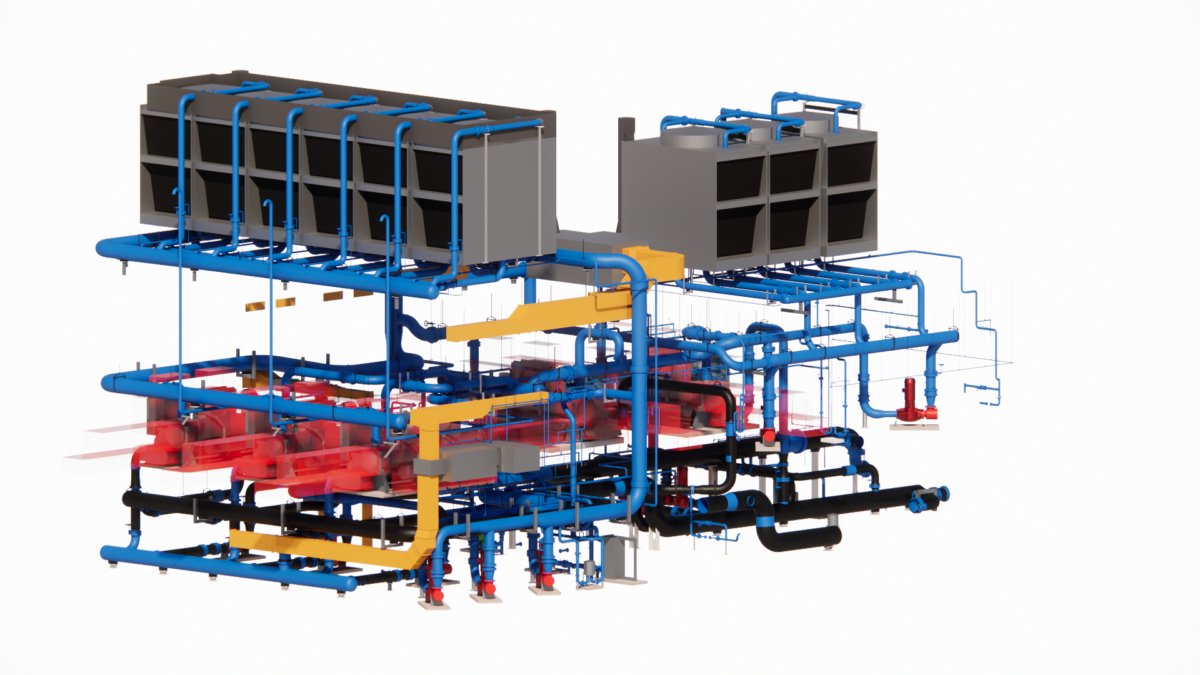
Building Information Modeling (BIM) has revolutionized the way construction projects are planned, designed, and executed across various industries. In Phoenix, Arizona—a city known for its extreme heat and unique architectural demands—BIM modeling for HVAC systems has become an indispensable tool for engineers, contractors, and building owners. This article explores the significance of BIM in HVAC system design and implementation within the Phoenix area, highlighting its benefits, challenges, and future prospects.
Wait, are you interested in talking to a human instead of reading this full blog? Contact us to learn more about our services and whether BIMTM is the 100% U.S. based team you need on your next project.

Understanding BIM and Its Role in HVAC System Design
BIM is a digital representation of a building’s physical and functional characteristics. It integrates multidimensional data into a single model that stakeholders can use throughout a building’s lifecycle—from initial design to construction and maintenance. For HVAC systems, BIM offers a detailed and precise visualization of mechanical components such as ductwork, piping, air handling units, and control systems.
In Phoenix, where the climate necessitates highly efficient cooling systems, BIM enables engineers to simulate HVAC performance under various conditions. This capability helps optimize system design to reduce energy consumption, improve indoor air quality, and ensure occupant comfort. By integrating HVAC systems into a comprehensive building model, BIM also facilitates coordination with other disciplines such as electrical and structural engineering, minimizing conflicts and costly rework.
Key Features of BIM for HVAC Systems
BIM software platforms like Autodesk Revit and Navisworks provide specialized tools for HVAC modeling. These include parametric components that can be easily modified, clash detection algorithms to identify spatial conflicts, and energy analysis modules to assess system efficiency. Additionally, BIM supports the generation of detailed fabrication and installation drawings, enhancing accuracy and reducing errors during construction.
The Importance of BIM in Phoenix’s Unique Climate and Construction Environment
Phoenix’s desert climate poses specific challenges for HVAC system design. With summer temperatures regularly exceeding 100°F, buildings require robust cooling solutions that are both energy-efficient and reliable. BIM helps address these challenges by enabling precise load calculations and performance simulations tailored to Phoenix’s weather patterns.
Moreover, the city’s rapid growth and diverse architectural styles—from modern commercial complexes to sprawling residential developments—demand flexible and scalable HVAC designs. BIM facilitates this adaptability by providing detailed models that can be easily updated as project requirements evolve. This flexibility is especially valuable in Phoenix’s competitive construction market, where time and cost efficiency are critical.
Energy Efficiency and Sustainability Considerations
Energy consumption for cooling accounts for a significant portion of building operating costs in Phoenix. According to the U.S. Energy Information Administration, residential and commercial buildings in Arizona use approximately 40% of their energy for cooling purposes. BIM’s ability to simulate HVAC system performance allows designers to experiment with different configurations and equipment to minimize energy use.
Incorporating sustainable practices is increasingly important in Phoenix, where water scarcity and environmental concerns drive demand for green building solutions. BIM supports LEED certification processes by providing accurate documentation and facilitating the integration of energy-efficient HVAC technologies such as variable refrigerant flow (VRF) systems, energy recovery ventilators, and advanced controls.
Benefits of Implementing BIM for HVAC Projects in Phoenix
Adopting BIM for HVAC system design and construction in Phoenix offers multiple advantages that contribute to project success and long-term building performance.
Improved Coordination and Reduced Errors
BIM’s 3D modeling capabilities enable all project stakeholders to visualize HVAC components in relation to architectural and structural elements. This comprehensive view helps identify clashes early in the design phase, preventing costly modifications during construction. For example, ductwork can be routed to avoid conflicts with plumbing or electrical conduits, reducing delays and budget overruns.
Enhanced Design Accuracy and Efficiency
Parametric modeling allows engineers to quickly adjust HVAC system parameters, such as duct sizes and equipment capacities, based on performance simulations. This iterative process leads to optimized designs that meet both comfort and energy goals. Additionally, BIM automates the generation of schedules and material lists, streamlining procurement and fabrication.
Facilitated Maintenance and Facility Management
Once construction is complete, BIM models serve as valuable references for facility managers. Detailed information about HVAC components, including specifications, warranties, and maintenance schedules, can be embedded in the model. This digital asset simplifies troubleshooting, preventive maintenance, and future upgrades, ultimately extending the lifespan of HVAC systems.
Challenges and Considerations When Using BIM for HVAC in Phoenix
Despite its many advantages, implementing BIM for HVAC projects in Phoenix comes with certain challenges that require careful management.
Initial Investment and Training
Adopting BIM technology involves upfront costs for software licenses, hardware upgrades, and staff training. Smaller firms or contractors may find these expenses prohibitive without clear evidence of return on investment. However, as the Phoenix construction market increasingly demands BIM proficiency, investing in these resources becomes essential for competitiveness.
Data Management and Collaboration
Effective BIM implementation depends on seamless collaboration among architects, engineers, contractors, and owners. In Phoenix’s fast-paced construction environment, ensuring that all parties use compatible software and adhere to standardized workflows can be challenging. Establishing clear protocols for data sharing and version control is critical to avoid miscommunication and data loss.
Adapting to Local Codes and Standards
HVAC designs must comply with Phoenix’s building codes, energy regulations, and environmental standards. Integrating these requirements into BIM models requires up-to-date knowledge and careful attention to detail. For example, Arizona’s energy code mandates specific insulation levels and system efficiencies that must be reflected in the BIM model to ensure compliance.
The Future of BIM Modeling for HVAC Systems in Phoenix
As technology advances, BIM continues to evolve, offering new opportunities to enhance HVAC system design and operation in Phoenix.
Integration with IoT and Smart Building Technologies
The convergence of BIM with the Internet of Things (IoT) enables real-time monitoring and control of HVAC systems. Sensors embedded in equipment can feed data back to the BIM model, allowing facility managers to track performance, detect faults, and optimize energy use dynamically. This integration supports Phoenix’s growing interest in smart buildings and sustainable urban development.
Use of Artificial Intelligence and Machine Learning
AI-powered tools are beginning to assist in HVAC design by analyzing vast datasets to recommend optimal system configurations. In Phoenix, where climate variability and occupant behavior impact cooling loads, machine learning algorithms can improve predictive modeling and adaptive control strategies, further enhancing system efficiency and comfort.
Expanding Adoption Across the Construction Industry
With increasing awareness of BIM’s benefits, more Phoenix-based engineering firms, contractors, and building owners are adopting BIM for HVAC projects. Educational institutions and professional organizations in the region are also offering specialized training programs to build local expertise. This growing ecosystem supports continuous innovation and improved project outcomes.
Conclusion
BIM modeling for HVAC systems represents a transformative approach to building design and management in Phoenix, Arizona. By enabling precise visualization, coordination, and performance analysis, BIM helps address the city’s unique climate challenges and construction demands. While initial investments and collaboration hurdles exist, the long-term benefits—including energy efficiency, reduced errors, and enhanced facility management—make BIM an essential tool for HVAC professionals in the region.
As Phoenix continues to grow and prioritize sustainability, the integration of BIM with emerging technologies such as IoT and AI will further elevate HVAC system design and operation. Stakeholders who embrace BIM now will be well-positioned to deliver high-quality, efficient, and resilient buildings that meet the needs of this dynamic desert metropolis.
Ready to harness the full potential of BIM for your HVAC systems in Phoenix, AZ? Partner with BIMTM and elevate your project’s efficiency, coordination, and constructability. Our Lead Coordination service integrates all facets of your project into a seamless digital workflow, ensuring that every stakeholder is on the same page from conception to completion. With our MEP Coordination and Modeling services, you gain access to models crafted by tradespeople with hands-on experience, guaranteeing that your digital plans translate flawlessly into real-world execution. Don’t let capacity constraints hold you back—BIMTM is your go-to resource for project augmentation, BIM modeling services, and REVIT staff training. Whether you’re tackling complex design challenges or refining workflows, our BIM consulting and design clash detection expertise will help you design smarter and avoid costly surprises. Contact us today and take the first step towards a smarter, more efficient building process.