
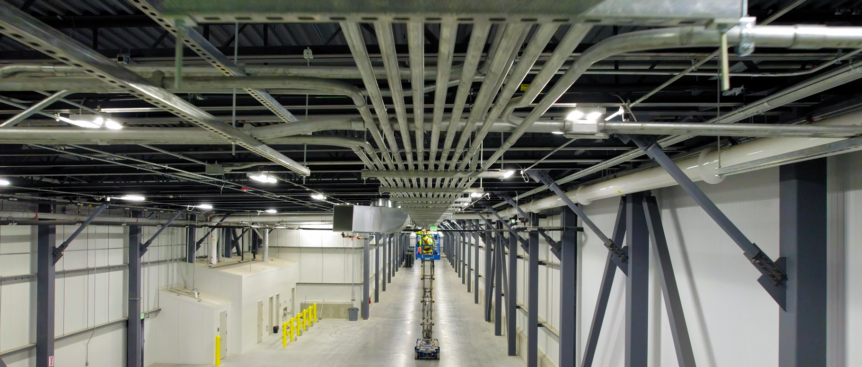
Building Information Modeling (BIM) has revolutionized the architecture, engineering, and construction (AEC) industries across the globe. In Phoenix, Arizona, a city experiencing rapid urban growth and infrastructural development, BIM modeling and coordination have become indispensable tools for project success. This article explores the significance of BIM in Phoenix, the unique challenges and opportunities it presents, and how local firms are leveraging BIM to deliver efficient, cost-effective, and sustainable construction projects.
Wait, are you interested in talking to a human instead of reading this full blog? Contact us to learn more about our services and whether BIMTM is the 100% U.S. based team you need on your next project.

The Growing Importance of BIM in Phoenix’s Construction Landscape
Phoenix is one of the fastest-growing metropolitan areas in the United States, with a population exceeding 1.6 million and a thriving economy. This rapid growth has spurred a construction boom, including commercial buildings, residential developments, transportation infrastructure, and public facilities. As projects become larger and more complex, traditional design and construction methods struggle to keep pace.
BIM offers a digital solution that integrates design, construction, and operational data into a single, coherent model. This integration allows stakeholders to visualize the project in 3D, simulate construction sequences, and detect potential conflicts before breaking ground. According to a 2023 report by Dodge Data & Analytics, 70% of contractors in the U.S. now use BIM on at least half of their projects, a trend that is strongly reflected in Phoenix’s market.
For Phoenix developers and contractors, BIM is not just a technological upgrade; it is a strategic necessity. The city’s hot climate, unique zoning regulations, and sustainability goals require precise planning and coordination. BIM helps ensure that projects meet energy efficiency standards, comply with local codes, and optimize material usage, reducing waste and costs.
Key Benefits of BIM Modeling and Coordination in Phoenix
Enhanced Collaboration Among Stakeholders
One of the most significant advantages of BIM is its ability to foster collaboration among architects, engineers, contractors, and owners. In Phoenix, where projects often involve multiple firms and subcontractors, BIM serves as a centralized platform for communication. Real-time updates and shared access to the model reduce miscommunications and errors, which are common causes of delays and budget overruns.
For example, in the recent expansion of Phoenix Sky Harbor International Airport, BIM was used extensively to coordinate between civil engineers, structural teams, and MEP (mechanical, electrical, plumbing) contractors. This coordination minimized clashes and allowed the project to stay on schedule despite its complexity.
Improved Clash Detection and Risk Mitigation
Clash detection is a critical feature of BIM that identifies conflicts between different building systems before construction begins. In Phoenix’s desert environment, where mechanical systems must be carefully designed to handle extreme temperatures, avoiding clashes can prevent costly rework and downtime.
By running automated clash detection reports, project teams can resolve issues such as ductwork interfering with structural beams or electrical conduits conflicting with plumbing lines. This proactive approach reduces risks and enhances safety on-site.
Cost and Time Savings
BIM’s ability to simulate construction sequences and optimize scheduling leads to significant cost and time savings. In Phoenix’s competitive construction market, where labor shortages and supply chain disruptions are challenges, BIM helps streamline workflows and improve resource allocation.
According to a study by the National Institute of Building Sciences, projects using BIM experienced an average cost savings of 5-10% and time savings of 7-15%. These efficiencies are particularly valuable in Phoenix, where rapid project delivery is often essential to meet market demands.
Challenges of Implementing BIM in Phoenix and How They Are Overcome
Adoption Barriers Among Small and Medium Firms
While large firms in Phoenix have widely adopted BIM, smaller companies sometimes face hurdles such as the cost of software licenses, training, and workflow adjustments. These barriers can slow the adoption of BIM across the industry, limiting its overall impact.
To address this, local industry groups and educational institutions have stepped up. The Arizona Builders Alliance and the University of Arizona offer BIM workshops and certification programs tailored to Phoenix’s construction professionals. Additionally, cloud-based BIM platforms with subscription models have lowered entry costs, making BIM more accessible.
Integration with Existing Technologies and Legacy Data
Many Phoenix projects involve renovations or expansions of existing structures, requiring integration of BIM with legacy CAD drawings and other data formats. Ensuring seamless data exchange can be challenging but is critical for accurate modeling and coordination.
Advanced BIM software used by Phoenix firms supports interoperability standards such as Industry Foundation Classes (IFC), enabling smoother integration. Moreover, firms often employ dedicated BIM coordinators who specialize in data management and quality control to maintain model integrity.
Addressing Local Environmental and Regulatory Requirements
Phoenix’s unique environmental conditions and stringent building codes necessitate specialized BIM workflows. For instance, energy modeling within BIM must account for intense solar radiation and cooling loads to ensure compliance with the city’s sustainability initiatives.
Local BIM experts collaborate closely with environmental consultants and code officials to embed these parameters into the digital models. This collaboration helps avoid costly redesigns and supports Phoenix’s goals for green building certifications such as LEED and WELL.
Case Studies: Successful BIM Projects in Phoenix
Downtown Phoenix Mixed-Use Development
A recent mixed-use development in downtown Phoenix utilized BIM extensively to coordinate architectural design, structural engineering, and MEP systems. The project involved complex underground parking structures and rooftop green spaces designed to mitigate urban heat island effects.
BIM facilitated clash detection, construction sequencing, and cost estimation, enabling the project to be completed 10% under budget and two months ahead of schedule. The developer credited BIM with improving transparency and stakeholder engagement throughout the process.
Phoenix Children’s Hospital Expansion
The expansion of Phoenix Children’s Hospital is another example where BIM played a pivotal role. Given the sensitive nature of healthcare facilities, precise coordination of medical gas lines, electrical systems, and HVAC was essential.
BIM’s 3D visualization capabilities allowed hospital administrators and medical staff to provide input during design, ensuring that the final layout met operational needs. The project team also used BIM to simulate patient flow and emergency evacuation routes, enhancing safety and functionality.
The Future of BIM Modeling and Coordination in Phoenix
As Phoenix continues to grow, the role of BIM will only expand. Emerging technologies such as artificial intelligence (AI), machine learning, and augmented reality (AR) are beginning to integrate with BIM platforms, offering new possibilities for design optimization and on-site construction management.
For instance, AI-powered analytics can predict project risks based on historical BIM data, while AR can overlay digital models onto physical sites, improving accuracy during installation. These advancements promise to further enhance efficiency and reduce waste in Phoenix’s construction sector.
Moreover, the city’s commitment to sustainability and smart city initiatives will drive BIM adoption for infrastructure projects involving renewable energy, water conservation, and intelligent transportation systems. BIM’s ability to model lifecycle impacts will be critical in achieving these goals.
Conclusion
BIM modeling and coordination have become foundational elements of Phoenix’s construction industry, enabling stakeholders to navigate the complexities of rapid urban growth, environmental challenges, and regulatory demands. By fostering collaboration, improving accuracy, and driving efficiencies, BIM helps deliver projects that are cost-effective, sustainable, and aligned with the city’s vision for the future.
As technology continues to evolve, Phoenix’s construction professionals are well-positioned to leverage BIM’s full potential, ensuring that the city’s built environment meets the needs of its residents today and for generations to come.
Ready to harness the power of BIM for your next Phoenix construction project? Look no further than BIMTM. Our Lead Coordination service integrates every phase of your project into a seamless digital workflow, ensuring all stakeholders work in harmony. With BIMTM’s expertise in MEP Coordination and Modeling, your project will be constructible, efficient, and free from costly rework, thanks to our trade-savvy models. Plus, our BIM consulting and design clash detection will keep your designs smart and surprises minimal. Don’t let capacity constraints hold you back—whether you need comprehensive project support or targeted BIM expertise, BIMTM is your go-to resource. Contact us today and take the first step towards a smarter, more efficient build in Phoenix, AZ.