Building Information Modeling (BIM) has revolutionized the architecture, engineering, and construction (AEC) industries across the United States, and Raleigh, North Carolina, is no exception. As one of the fastest-growing metropolitan areas in the country, Raleigh’s construction sector increasingly relies on BIM modeling and coordination to improve project efficiency, reduce costs, and enhance collaboration among stakeholders. This article explores the significance of BIM in Raleigh’s construction landscape, its benefits, and how local firms are leveraging this technology to deliver cutting-edge projects.
Wait, are you interested in talking to a human instead of reading this full blog? Contact us to learn more about our services and whether BIMTM is the 100% U.S. based team you need on your next project.

The Rise of BIM in Raleigh’s Construction Industry
Raleigh’s rapid urban development, fueled by a booming tech sector and expanding population, has created a demand for more sophisticated construction methodologies. BIM has emerged as a critical tool in meeting this demand, enabling project teams to visualize, simulate, and manage building projects with unprecedented precision.
According to a 2023 report by the Associated General Contractors of America (AGC), over 70% of construction firms in North Carolina have adopted BIM processes, with Raleigh-based companies leading the charge. This trend reflects the broader national movement toward digital construction technologies, but Raleigh’s unique growth dynamics make BIM particularly advantageous.
Why Raleigh is a Hotspot for BIM Adoption
Several factors contribute to Raleigh’s prominence in BIM adoption. The city’s diverse construction projects—ranging from commercial office buildings and healthcare facilities to residential complexes and educational institutions—benefit greatly from BIM’s ability to coordinate complex designs and multidisciplinary workflows.
Moreover, Raleigh’s proximity to research universities like North Carolina State University fosters a tech-savvy workforce that is comfortable with digital tools. Local government initiatives also encourage sustainable building practices, where BIM plays a vital role in energy modeling and compliance tracking.
In addition to these factors, the collaborative culture within Raleigh’s construction industry enhances the effectiveness of BIM. Many local firms actively engage in partnerships with technology providers and educational institutions to innovate and refine their BIM capabilities. This synergy not only accelerates the learning curve for new BIM users but also promotes a shared understanding of best practices across the industry. As a result, construction teams can leverage collective knowledge to tackle challenges more effectively, ultimately leading to higher quality outcomes and reduced project timelines.
Furthermore, the integration of BIM with emerging technologies such as augmented reality (AR) and virtual reality (VR) is beginning to take root in Raleigh. These technologies allow stakeholders to immerse themselves in the project environment before construction begins, providing a clearer understanding of design intent and potential issues. As these tools become more accessible, they are expected to further enhance collaboration and communication among project teams, ensuring that all parties are aligned throughout the construction process. This forward-thinking approach positions Raleigh not only as a leader in BIM adoption but also as a beacon of innovation in the broader construction landscape.
Key Benefits of BIM Modeling and Coordination
BIM is more than just a 3D modeling tool; it is a comprehensive process that integrates design, construction, and operational data into a single digital platform. This integration offers numerous advantages for Raleigh’s construction projects.
Enhanced Collaboration Across Disciplines
One of BIM’s most significant benefits is its ability to facilitate seamless collaboration among architects, engineers, contractors, and owners. In Raleigh, where many projects involve multiple stakeholders, BIM coordination reduces miscommunication and ensures everyone is working from the same up-to-date information.
For example, in a recent mixed-use development in downtown Raleigh, BIM coordination allowed structural, mechanical, and electrical teams to detect and resolve clashes early in the design phase. This proactive approach minimized costly rework and kept the project on schedule.
Improved Cost and Time Efficiency
BIM’s detailed modeling capabilities enable more accurate quantity takeoffs and cost estimates. This precision helps Raleigh contractors and developers avoid budget overruns and optimize resource allocation. Additionally, BIM supports construction sequencing and scheduling, enabling teams to visualize the build process and identify potential delays before they occur.
Studies show that BIM can reduce project delivery times by up to 20%, a crucial advantage in Raleigh’s competitive real estate market where timely completion is essential for return on investment.
Better Risk Management and Quality Control
By simulating construction processes and identifying design conflicts early, BIM helps mitigate risks associated with errors and omissions. In Raleigh’s climate, where weather-related disruptions can impact timelines, BIM’s predictive capabilities allow teams to plan contingencies effectively.
Furthermore, BIM models serve as comprehensive documentation for quality control throughout construction and facility management phases, ensuring that buildings meet regulatory standards and client expectations.
BIM Coordination: The Backbone of Successful Projects
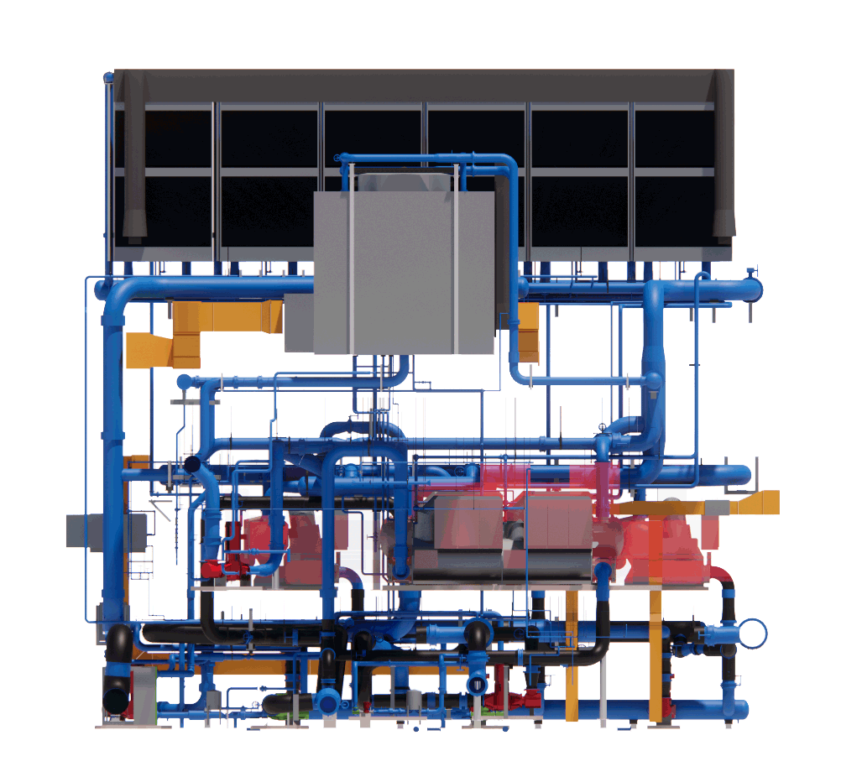
BIM coordination is the process of integrating and managing the various BIM models created by different disciplines into a unified, clash-free model. This step is crucial for Raleigh’s complex projects, where multiple systems must coexist within limited spaces.
Clash Detection and Resolution
Clash detection software identifies conflicts between architectural, structural, and MEP (mechanical, electrical, plumbing) components. In Raleigh, where new commercial developments often incorporate advanced HVAC and electrical systems, early clash detection prevents costly on-site modifications.
For instance, a recent hospital expansion project in Raleigh utilized BIM coordination to resolve over 300 clashes before construction began, saving hundreds of thousands of dollars and avoiding schedule delays.
Streamlining Communication and Decision-Making
BIM coordination platforms enable real-time updates and cloud-based collaboration, allowing Raleigh project teams to make informed decisions quickly. This transparency fosters accountability and ensures that changes are documented and communicated effectively.
Local firms often use coordination meetings supported by BIM visualization tools to align all parties, from subcontractors to owners, ensuring that everyone understands the project scope and progress.
Integration with Emerging Technologies
Raleigh’s construction sector is increasingly integrating BIM coordination with technologies such as drone surveying, augmented reality (AR), and 4D scheduling (time-based BIM). These innovations enhance site monitoring, improve safety, and provide immersive project walkthroughs for stakeholders.
For example, AR applications allow project managers in Raleigh to overlay BIM models onto physical job sites, facilitating precise installation and reducing errors.
Challenges and Future Outlook for BIM in Raleigh
While BIM offers numerous benefits, its implementation in Raleigh is not without challenges. These include the need for skilled personnel, upfront investment in software and training, and the complexity of managing large datasets.
Addressing the Skills Gap
Despite Raleigh’s strong educational institutions, the demand for BIM-savvy professionals often outpaces supply. Local firms are investing in training programs and partnerships with universities to cultivate talent capable of handling advanced BIM workflows.
Cost Considerations and Return on Investment
The initial costs of BIM software licenses and hardware can be significant, especially for small and mid-sized Raleigh contractors. However, the long-term savings through reduced rework, improved scheduling, and enhanced collaboration typically justify the investment.
The Road Ahead: Increasing BIM Integration
Looking forward, BIM adoption in Raleigh is expected to deepen, with more projects incorporating not just 3D modeling but also 5D BIM (cost and schedule integration) and 6D BIM (facility management). The city’s commitment to smart growth and sustainable development will further drive BIM’s role in optimizing building performance and lifecycle management.
Moreover, as regulations evolve to encourage digital construction methods, BIM will become an essential standard rather than an optional tool in Raleigh’s construction industry.
Conclusion
BIM modeling and coordination have become indispensable components of Raleigh’s construction ecosystem. By enhancing collaboration, improving efficiency, and reducing risks, BIM empowers project teams to deliver high-quality buildings that meet the city’s dynamic needs. While challenges remain, ongoing investments in technology and workforce development are positioning Raleigh as a leader in digital construction innovation.
For developers, contractors, and designers in Raleigh, embracing BIM is no longer just a competitive advantage—it is a necessity for success in an increasingly complex and fast-paced market.
As Raleigh continues to thrive and evolve in the digital construction landscape, the need for expert BIM coordination and modeling services becomes ever more critical. BIMTM stands at the forefront of this technological revolution, offering unparalleled Lead Coordination services that integrate design, construction, and facility management into a seamless digital workflow. Our commitment to proactive clash detection and milestone management ensures that your project remains on track, minimizing risks and enhancing efficiency. With BIMTM’s MEP Coordination and Modeling services, you gain access to models crafted with precision and expertise, ensuring constructibility and eliminating the need for costly rework. Don’t let the absence of an in-house BIM team hold you back—BIMTM is your partner for project augmentation, comprehensive BIM modeling services, and advanced REVIT staff training. Whether you’re tackling complex design challenges or seeking to expedite project delivery, our BIM consulting and design clash detection services are tailored to support architects and engineers in achieving the perfect balance between creativity and constructability. Contact us today to ensure your project’s success with BIMTM’s expert guidance.