
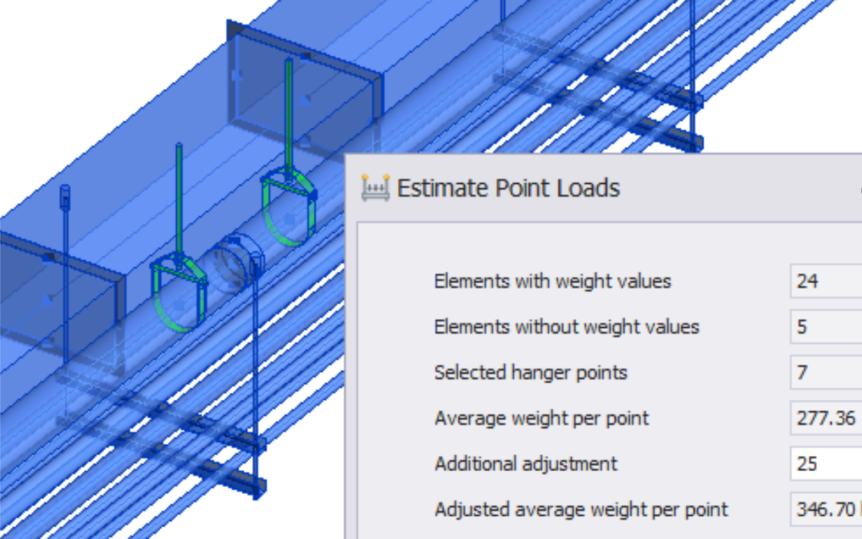
Building Information Modeling (BIM) has revolutionized the construction and engineering industries, offering unparalleled precision, collaboration, and efficiency. In Houston, Texas—a city known for its sprawling urban landscape and extreme climate conditions—BIM modeling for HVAC systems has become an essential tool for architects, engineers, contractors, and facility managers. This article explores how BIM is transforming HVAC design and implementation in Houston, the benefits it brings, and why it is becoming a standard practice in the region.
Wait, are you interested in talking to a human instead of reading this full blog? Contact us to learn more about our services and whether BIMTM is the 100% U.S. based team you need on your next project.

Understanding BIM and Its Role in HVAC Systems
BIM is a digital representation of the physical and functional characteristics of a building. It serves as a shared knowledge resource for information about a facility, forming a reliable basis for decision-making throughout its lifecycle. When applied to HVAC (Heating, Ventilation, and Air Conditioning) systems, BIM allows for detailed 3D modeling of mechanical components, enabling precise planning and coordination.
In Houston, where the climate demands efficient cooling and ventilation systems, BIM helps engineers design HVAC solutions that are both effective and energy-efficient. The technology integrates mechanical, electrical, and plumbing (MEP) systems into a single model, reducing conflicts and ensuring seamless installation.
Key Features of BIM in HVAC Modeling
BIM for HVAC systems includes the following capabilities:
- 3D Visualization: Detailed models of ductwork, piping, and equipment allow stakeholders to visualize the entire HVAC system within the building context.
- Clash Detection: Automated tools identify conflicts between HVAC components and other building systems early in the design phase, preventing costly on-site issues.
- Performance Simulation: BIM enables simulation of airflow, thermal comfort, and energy consumption, optimizing system design for Houston’s hot and humid climate.
- Data Integration: Comprehensive data about materials, dimensions, and specifications are embedded in the model, facilitating procurement and maintenance.
The Importance of BIM for HVAC in Houston’s Unique Environment
Houston’s climate is characterized by long, hot summers with high humidity and mild winters. This environment places significant demands on HVAC systems, making their design and operation critical for occupant comfort and energy efficiency. BIM modeling addresses these challenges in several ways.
Energy Efficiency and Sustainability
Houston’s energy consumption is heavily influenced by air conditioning needs. According to the U.S. Energy Information Administration, residential and commercial buildings in Texas account for a substantial portion of the state’s electricity use, with HVAC systems being a major contributor.
BIM allows engineers to simulate different HVAC configurations and assess their energy performance before construction begins. By optimizing duct layouts, selecting appropriate equipment, and improving insulation details within the model, designers can reduce energy consumption and greenhouse gas emissions. This is especially important as Houston continues to promote sustainable building practices in line with initiatives such as the Houston Climate Action Plan.
Mitigating Weather-Related Risks
Houston is prone to severe weather events, including hurricanes and flooding. BIM models can incorporate resilience strategies for HVAC systems, such as elevated equipment placement and flood-resistant materials. This proactive approach helps protect critical mechanical systems from damage, ensuring quicker recovery times after storms.
Regulatory Compliance and Standards
Houston’s building codes and regulations require strict adherence to HVAC design standards, including energy codes and ventilation requirements. BIM facilitates compliance by embedding code-checking tools within the modeling software. This ensures that HVAC designs meet or exceed local regulations, reducing the risk of costly redesigns or penalties during inspections.
Benefits of Implementing BIM for HVAC Projects in Houston
The adoption of BIM for HVAC systems in Houston offers numerous advantages across the project lifecycle, from design through operation.
Enhanced Collaboration and Communication
One of the most significant benefits of BIM is its ability to foster collaboration among architects, engineers, contractors, and owners. In Houston’s competitive construction market, where projects often involve multiple stakeholders, BIM serves as a centralized platform for sharing information and coordinating efforts.
For HVAC systems, this means mechanical engineers can work alongside structural and electrical teams to ensure that ductwork and piping do not interfere with other building elements. Early clash detection reduces delays and rework, saving time and money.
Improved Accuracy and Reduced Errors
Traditional HVAC design methods rely heavily on 2D drawings and manual calculations, which are prone to errors. BIM’s 3D modeling capabilities provide a more accurate representation of the HVAC system, minimizing mistakes during fabrication and installation.
For example, precise measurements of duct sizes and routing paths help manufacturers produce components that fit perfectly on-site, reducing waste and installation time. This precision is particularly valuable in Houston’s large commercial and industrial projects, where HVAC systems can be complex and extensive.
Cost Savings and Project Efficiency
By identifying potential issues early and streamlining workflows, BIM reduces costly change orders and construction delays. Studies have shown that BIM can reduce project costs by up to 20% and shorten timelines by as much as 30%, benefits that are highly relevant in Houston’s fast-paced construction environment.
Additionally, BIM’s ability to generate detailed material takeoffs and schedules improves procurement accuracy, preventing over-ordering or shortages of HVAC components.
Enhanced Facility Management and Maintenance
After construction, BIM models continue to provide value by serving as a digital twin of the building’s HVAC systems. Facility managers in Houston can use these models to track equipment performance, schedule maintenance, and plan upgrades efficiently.
This ongoing access to accurate system data helps extend the lifespan of HVAC equipment and ensures optimal operation, which is critical in Houston’s demanding climate.
Case Studies: Successful BIM HVAC Projects in Houston
Several high-profile projects in Houston have demonstrated the effectiveness of BIM modeling for HVAC systems.
Medical Center Complex
A large healthcare facility in the Texas Medical Center utilized BIM to design a sophisticated HVAC system capable of maintaining strict air quality and temperature controls. The BIM model enabled precise coordination between HVAC and other critical systems, ensuring compliance with health standards and minimizing disruptions during construction.
Commercial Office Tower
A new office tower in downtown Houston employed BIM for its HVAC design to maximize energy efficiency and occupant comfort. The project team used performance simulations within the BIM environment to optimize cooling loads and ventilation rates, resulting in a building that achieved LEED Gold certification.
Industrial Warehouse Facility
In an industrial warehouse setting, BIM helped design a robust HVAC system that balanced ventilation needs with energy savings. The model incorporated flood mitigation strategies to protect HVAC equipment, reflecting Houston’s focus on resilient infrastructure.
Future Trends in BIM for HVAC in Houston
As technology advances, BIM for HVAC systems in Houston is expected to evolve further, integrating new tools and methodologies.
Integration with IoT and Smart Building Technologies
The convergence of BIM with the Internet of Things (IoT) will enable real-time monitoring and control of HVAC systems. Sensors embedded in HVAC equipment can feed data back into BIM models, allowing facility managers to detect inefficiencies or failures promptly and adjust system settings dynamically.
Use of Artificial Intelligence and Machine Learning
AI-driven analytics will enhance HVAC design by predicting system performance under various scenarios and recommending optimal configurations. This will be particularly valuable in Houston, where fluctuating weather patterns require adaptable HVAC solutions.
Increased Adoption of Prefabrication and Modular Construction
BIM’s precise modeling supports prefabrication of HVAC components off-site, improving quality control and reducing on-site labor. Houston’s growing demand for rapid construction delivery will likely accelerate the use of modular HVAC solutions designed through BIM.
Conclusion
BIM modeling for HVAC systems is transforming the way buildings are designed, constructed, and managed in Houston, Texas. By providing detailed visualization, enhancing collaboration, and enabling performance optimization, BIM addresses the unique challenges posed by Houston’s climate and regulatory environment. The benefits of improved accuracy, cost savings, and sustainability make BIM an indispensable tool for HVAC professionals in the region.
As Houston continues to grow and embrace smart, resilient infrastructure, BIM will play a central role in delivering HVAC systems that meet the demands of today and tomorrow.
Ready to harness the full potential of BIM for your HVAC systems in Houston? Look no further than BIMTM. Our Lead Coordination service is designed to ensure a seamless integration of design, construction, and facility management, streamlining your project from conception to completion. With BIMTM, you benefit from proactive clash detection, milestone tracking, and expert MEP Coordination and Modeling services. Our experienced tradespeople create models that are not only detailed but also perfectly translatable to real-world application. Elevate your project’s efficiency and avoid costly rework with BIMTM’s comprehensive BIM resources, including project augmentation, modeling services, and REVIT staff training. Whether you’re an architect or engineer striving for the perfect balance of creativity and constructability, our BIM consulting and design clash detection services are tailored to support your unique challenges. Contact us today to partner with BIMTM and ensure your HVAC project in Houston is a resounding success.