
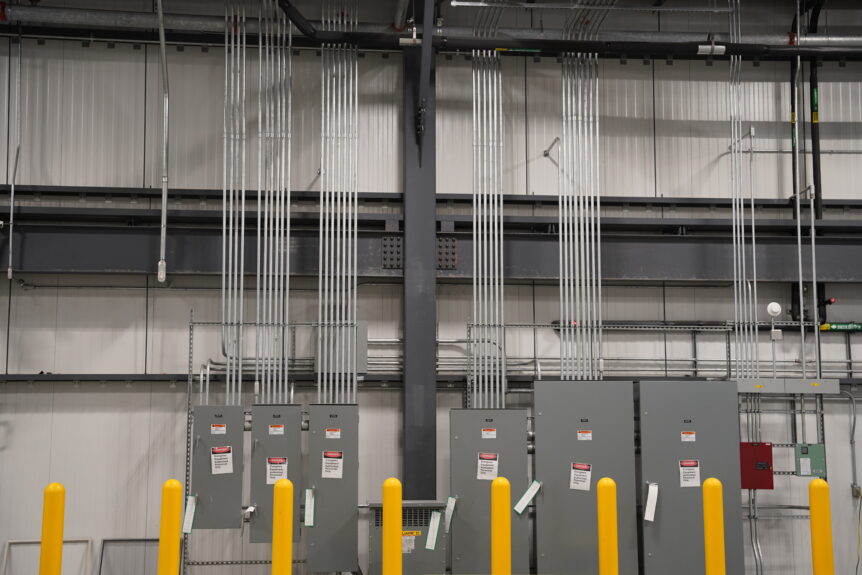
In the rapidly evolving construction industry, Building Information Modeling (BIM) has become an indispensable tool for electrical design and coordination. Seattle, Washington, with its booming construction sector and emphasis on sustainable infrastructure, is witnessing a growing demand for specialized Electrical BIM Modeling Services. These services enhance project efficiency, reduce costs, and improve collaboration among stakeholders. This article explores the significance of Electrical BIM in Seattle, the benefits it offers, and how local firms are leveraging this technology to transform electrical engineering projects.
Wait, are you interested in talking to a human instead of reading this full blog? Contact us to learn more about our services and whether BIMTM is the 100% U.S. based team you need on your next project.

Understanding Electrical BIM Modeling and Its Importance
Building Information Modeling (BIM) is a digital representation of physical and functional characteristics of a facility. When applied to electrical systems, BIM modeling involves creating detailed 3D models of electrical components such as wiring, conduits, switchgear, lighting, and power distribution systems. These models are integrated within the overall building design to ensure seamless coordination with other disciplines like mechanical and structural engineering.
Electrical BIM modeling is crucial in modern construction projects because it allows engineers and contractors to visualize complex electrical layouts before actual installation. This preemptive insight helps identify potential clashes, optimize routing, and ensure compliance with local codes and standards. For a city like Seattle, where construction projects often face tight schedules and regulatory scrutiny, Electrical BIM provides a competitive edge by minimizing costly rework and delays.
The Seattle Construction Landscape and Electrical BIM
Seattle’s construction industry has been robust, driven by residential, commercial, and infrastructure developments. According to the Seattle Department of Construction & Inspections, the city issued over 20,000 building permits in 2023, many of which involved complex electrical systems requiring precise planning. The city’s commitment to green building practices and energy efficiency further amplifies the need for accurate electrical modeling to integrate renewable energy systems and smart building technologies.
Electrical BIM services in Seattle are not just about creating 3D models; they are about enabling smarter, more sustainable building practices. For example, integrating BIM with energy analysis tools helps optimize lighting and power consumption, aligning with Seattle’s ambitious climate action goals.
Key Benefits of Electrical BIM Modeling Services
Enhanced Design Accuracy and Coordination
One of the primary advantages of Electrical BIM modeling is the improved accuracy in electrical system design. Traditional 2D drawings can lead to misinterpretations and errors, but BIM’s 3D visualization allows for precise placement of conduits, panels, and fixtures. This accuracy reduces conflicts with other building systems, such as HVAC ducts or plumbing lines.
Coordination is especially critical in multi-disciplinary projects common in Seattle’s urban developments. Electrical BIM facilitates real-time collaboration between architects, engineers, and contractors, ensuring that electrical designs integrate seamlessly with other building components.
Cost and Time Savings
Electrical BIM modeling significantly reduces project costs by minimizing rework and avoiding on-site errors. According to a 2022 report by the National Institute of Building Sciences, projects utilizing BIM can reduce overall construction costs by up to 20%. In Seattle’s competitive construction market, these savings can translate into substantial financial benefits for developers and contractors.
Moreover, BIM accelerates project timelines by streamlining the design and approval process. Electrical BIM models can be used to generate accurate material takeoffs and schedules, improving procurement efficiency and reducing delays.
Improved Compliance and Safety
Seattle’s electrical codes and regulations are stringent, reflecting the city’s focus on safety and sustainability. Electrical BIM modeling helps ensure compliance by embedding code requirements directly into the design process. Automated clash detection and validation tools flag potential violations early, allowing for timely corrections.
Additionally, BIM enhances safety planning by enabling virtual walkthroughs and simulations of electrical installations. This proactive approach helps identify hazards and plan safe work sequences, protecting workers and reducing liability.
Applications of Electrical BIM Modeling in Seattle Projects
Commercial and Residential Buildings
Seattle’s skyline is continually evolving with new commercial towers, mixed-use developments, and high-density residential complexes. Electrical BIM modeling is instrumental in these projects for designing intricate electrical networks that support modern amenities such as smart lighting, data centers, and renewable energy integration.
For example, a recent high-rise development in downtown Seattle utilized Electrical BIM to coordinate electrical systems with advanced fire alarm and security systems, ensuring seamless integration and efficient installation.
Infrastructure and Public Works
Beyond buildings, Electrical BIM is increasingly applied in infrastructure projects such as transit stations, hospitals, and public utilities. Seattle’s Sound Transit expansion projects have incorporated BIM to manage complex electrical systems for lighting, signaling, and power distribution, enhancing project delivery and operational efficiency.
Public infrastructure projects benefit from BIM’s ability to simulate electrical loads and optimize energy use, aligning with Seattle’s sustainability objectives.
Green Building and Renewable Energy Integration
Seattle is a leader in green building initiatives, with many projects targeting LEED certification or net-zero energy goals. Electrical BIM modeling supports these efforts by enabling precise design of photovoltaic systems, energy storage, and electric vehicle charging infrastructure.
By integrating BIM with energy modeling software, designers can evaluate the performance of renewable energy systems within the electrical network, optimizing design for maximum efficiency and cost-effectiveness.
Choosing the Right Electrical BIM Modeling Service Provider in Seattle
Expertise and Experience
When selecting an Electrical BIM service provider, it is essential to consider their expertise in both electrical engineering and BIM technology. Providers with experience in Seattle’s local codes, project types, and sustainability standards can offer tailored solutions that meet specific project requirements.
Look for firms with a proven track record of successful projects in the region, supported by client testimonials and case studies demonstrating their capability to deliver accurate and coordinated electrical models.
Technology and Software Proficiency
Leading Electrical BIM service providers in Seattle employ advanced software tools such as Autodesk Revit, Navisworks, and BIM 360. These platforms enable detailed modeling, clash detection, and cloud-based collaboration, ensuring that all project stakeholders remain aligned throughout the project lifecycle.
Providers should also be adept at integrating BIM with other analysis tools for energy simulation, lighting design, and code compliance verification.
Collaboration and Communication
Effective communication is vital for the success of BIM projects. Service providers should facilitate transparent collaboration among architects, engineers, contractors, and owners. This includes regular coordination meetings, shared digital platforms, and timely updates to project models.
Seattle’s dynamic construction environment demands flexibility and responsiveness, qualities that top Electrical BIM firms consistently demonstrate.
The Future of Electrical BIM Modeling in Seattle
As Seattle continues to grow and innovate, Electrical BIM modeling will play an increasingly central role in construction and infrastructure projects. Advances in technologies such as augmented reality (AR), virtual reality (VR), and artificial intelligence (AI) are poised to enhance BIM capabilities, offering immersive design reviews and predictive analytics for electrical systems.
Moreover, the push towards smart cities and IoT integration will require sophisticated electrical models that can accommodate evolving technologies and data-driven building management systems. Electrical BIM services will need to evolve accordingly, providing not just design support but ongoing asset management and operational insights.
In summary, Electrical BIM modeling services in Seattle are essential for delivering efficient, safe, and sustainable electrical designs. By embracing this technology, local construction stakeholders can optimize project outcomes and contribute to the city’s vision of a resilient and innovative built environment.
As Seattle’s construction landscape continues to advance, the need for expert Electrical BIM Modeling services becomes ever more critical. BIMTM stands at the forefront of this technological evolution, offering Lead Coordination services that ensure your project’s success through meticulous integration and management. Our MEP Coordination and Modeling services are not only detailed but are crafted by seasoned tradespeople who guarantee the constructibility and efficiency of your project. With BIMTM, costly reworks are a thing of the past. Our commitment to your project’s efficiency and our expertise in REVIT staff training make us the ideal partner for both project augmentation and comprehensive BIM resource needs. Embrace the future of Electrical BIM Modeling in Seattle with BIMTM’s tailored consulting and clash detection services, designed to perfect your creative vision with practical solutions. Contact us today to ensure your project is in sync with Seattle’s innovative spirit, from groundbreaking to grand opening.