
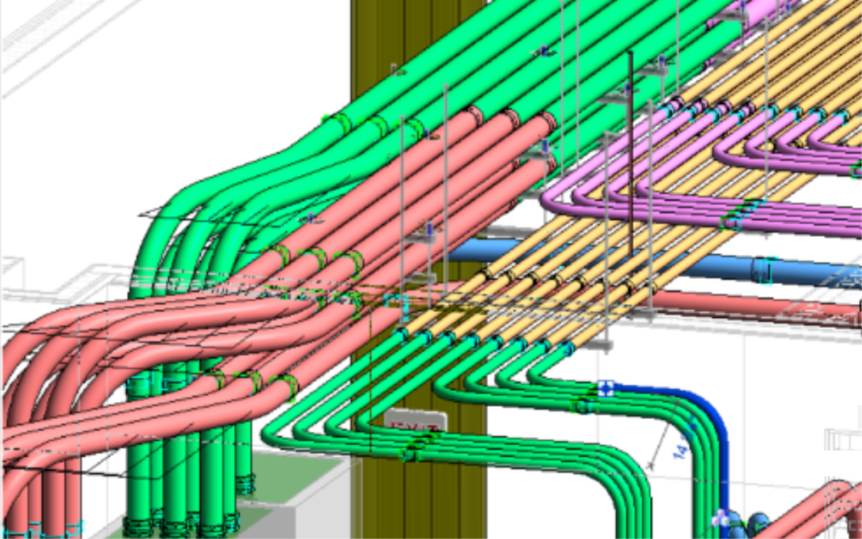
Building Information Modeling (BIM) has revolutionized the architecture, engineering, and construction (AEC) industries by enhancing collaboration, accuracy, and efficiency. In Washington DC, a city characterized by a blend of historic landmarks and modern infrastructure, Electrical BIM Modeling Services have become indispensable for delivering complex projects on time and within budget. This article explores the significance, benefits, and current trends of Electrical BIM Modeling services in the Washington DC metropolitan area, providing valuable insights for developers, engineers, contractors, and facility managers.
Wait, are you interested in talking to a human instead of reading this full blog? Contact us to learn more about our services and whether BIMTM is the 100% U.S. based team you need on your next project.

Understanding Electrical BIM Modeling
Electrical BIM Modeling involves creating detailed digital representations of electrical systems within a building or infrastructure project. These models include components such as wiring, lighting, power distribution, fire alarms, and communication systems. Unlike traditional 2D drawings, BIM models offer a 3D, data-rich environment that integrates electrical design with architectural and structural elements.
In Washington DC, where building codes and regulations are stringent due to the city’s unique urban landscape and federal oversight, Electrical BIM ensures compliance and reduces costly errors. By simulating electrical systems in a virtual environment, project teams can identify clashes, optimize layouts, and plan installation sequences before construction begins.
The Role of BIM in Electrical Design Coordination
Electrical BIM serves as a central platform for coordination among architects, electrical engineers, mechanical engineers, and contractors. It facilitates clash detection between electrical conduits and other building systems, such as HVAC ducts or plumbing pipes. This coordination is critical in Washington DC projects where space constraints and historic preservation requirements demand precise planning.
Moreover, Electrical BIM models support real-time updates, allowing stakeholders to track changes and maintain version control. This transparency improves communication and minimizes rework, which can be particularly costly in urban projects with tight schedules.
Benefits of Electrical BIM Modeling Services in Washington DC
The adoption of Electrical BIM Modeling services in Washington DC offers numerous advantages that contribute to project success and long-term operational efficiency.
Enhanced Design Accuracy and Quality
Electrical BIM enables engineers to create highly accurate models that reflect real-world conditions. This precision reduces design errors and omissions, which are common in traditional drafting methods. For Washington DC’s complex projects, such as government buildings or commercial high-rises, this accuracy is vital to meet safety standards and operational requirements.
Improved Project Visualization and Client Engagement
3D electrical models provide clients and stakeholders with a clear visualization of the electrical systems within their projects. This transparency fosters better understanding and informed decision-making. In a city like Washington DC, where projects often involve multiple stakeholders including federal agencies and preservation boards, clear visualization helps align expectations and secure approvals.
Cost and Time Savings
By detecting clashes and conflicts early in the design phase, Electrical BIM reduces costly on-site modifications and delays. According to industry reports, BIM implementation can reduce project costs by up to 20% and shorten delivery times by 30%. These savings are especially significant in Washington DC’s competitive construction market, where labor and material costs are relatively high.
Streamlined Facility Management and Maintenance
Electrical BIM models serve as comprehensive digital records that facility managers can use for maintenance, upgrades, and troubleshooting. Washington DC’s public infrastructure and commercial buildings benefit from this feature, as it supports sustainability goals and extends asset lifecycles through efficient management.
Key Applications of Electrical BIM Modeling in Washington DC Projects
Electrical BIM Modeling is applied across a wide range of project types in Washington DC, each with unique requirements and challenges.
Government and Institutional Buildings
Washington DC hosts numerous federal agencies, embassies, and educational institutions requiring secure, reliable, and code-compliant electrical systems. BIM facilitates the integration of advanced security systems, emergency power supplies, and energy-efficient lighting solutions. The ability to simulate electrical loads and emergency scenarios enhances safety and operational readiness.
Historic Renovations and Retrofits
Preserving the architectural integrity of historic buildings while upgrading their electrical systems is a common challenge in Washington DC. Electrical BIM allows engineers to model existing conditions accurately and design minimally invasive upgrades. This approach helps comply with preservation regulations while modernizing electrical infrastructure for improved performance and safety.
Commercial and Residential Developments
From high-rise office towers to mixed-use residential complexes, Electrical BIM supports the design and construction of sophisticated electrical networks. The modeling process accommodates complex power distribution, lighting controls, and smart building technologies, which are increasingly demanded in Washington DC’s urban developments.
Emerging Trends and Technologies in Electrical BIM Modeling
The field of Electrical BIM Modeling continues to evolve, driven by technological advancements and changing industry demands.
Integration with IoT and Smart Building Systems
Washington DC’s push towards smart city initiatives has accelerated the adoption of Internet of Things (IoT) devices and intelligent building systems. Electrical BIM models now incorporate data from sensors, lighting controls, and energy management systems, enabling dynamic simulation and optimization of electrical performance.
Use of Cloud-Based Collaboration Platforms
Cloud technology has transformed how project teams collaborate on Electrical BIM models. In Washington DC, where projects often involve multiple firms and government agencies, cloud-based platforms facilitate seamless data sharing, version control, and real-time coordination, enhancing project transparency and efficiency.
Advanced Simulation and Analytics
Modern Electrical BIM tools offer advanced simulation capabilities, including energy consumption analysis, load forecasting, and fault detection. These analytics support sustainable design practices and help Washington DC projects meet stringent energy codes such as the International Energy Conservation Code (IECC) and local green building standards.
Choosing the Right Electrical BIM Modeling Service Provider in Washington DC
Selecting a competent Electrical BIM service provider is crucial to maximizing the benefits of BIM technology. Several factors should be considered when evaluating potential partners.
Experience and Local Expertise
Providers with extensive experience in Washington DC understand the region’s regulatory environment, historic preservation requirements, and unique project challenges. Their local expertise ensures compliance and smooth project delivery.
Technical Proficiency and Software Capabilities
Leading Electrical BIM firms employ advanced software such as Autodesk Revit, Navisworks, and BIM 360. They also stay current with emerging technologies like AI-driven clash detection and cloud collaboration tools, which enhance model accuracy and project coordination.
Comprehensive Service Offerings
Top providers offer end-to-end services, including 3D modeling, clash detection, quantity takeoffs, and as-built documentation. Their ability to integrate electrical BIM with other disciplines ensures a holistic approach to project design and execution.
Client References and Project Portfolio
Reviewing past projects and client testimonials provides insight into a provider’s reliability, quality standards, and ability to meet deadlines. Washington DC clients often prioritize providers with a proven track record in government and commercial sectors.
Conclusion
Electrical BIM Modeling Services have become a cornerstone of successful construction and renovation projects in Washington DC. By enhancing design accuracy, improving coordination, and enabling efficient facility management, Electrical BIM addresses the city’s unique challenges and regulatory demands. As technology advances and the demand for smart, sustainable buildings grows, Electrical BIM will continue to play an essential role in shaping Washington DC’s built environment.
For developers, engineers, and contractors operating in this dynamic market, partnering with experienced Electrical BIM service providers is a strategic investment that delivers measurable benefits throughout the project lifecycle.
As you consider the pivotal role of Electrical BIM Modeling Services in your Washington DC projects, remember that the right partnership can make all the difference. BIMTM stands at the forefront of BIM innovation, offering Lead Coordination services that integrate design, construction, and facility management into a seamless digital workflow. Our expertise in MEP Coordination and Modeling ensures that your project is not only constructible and efficient but also free from costly rework. With BIMTM, you gain access to a team of seasoned tradespeople and BIM experts who are committed to your project’s success. Whether you need comprehensive project augmentation, specialized BIM modeling services, or REVIT staff training, BIMTM is your all-in-one BIM resource. Don’t let the complexities of Electrical BIM hold you back. Contact us today and take the first step towards smarter design and flawless project execution with BIMTM.